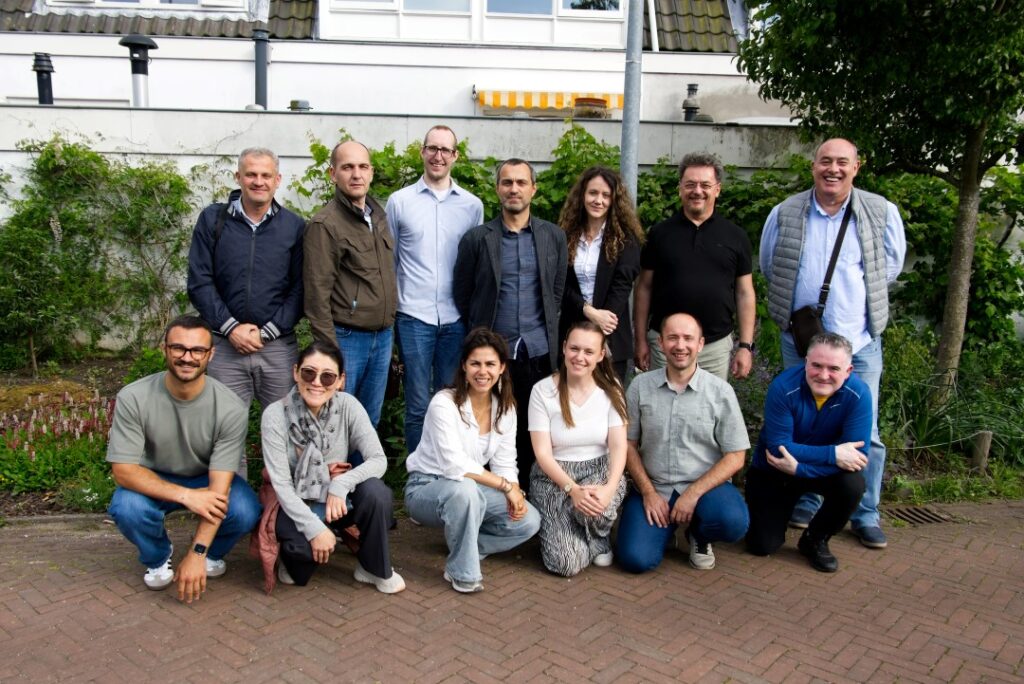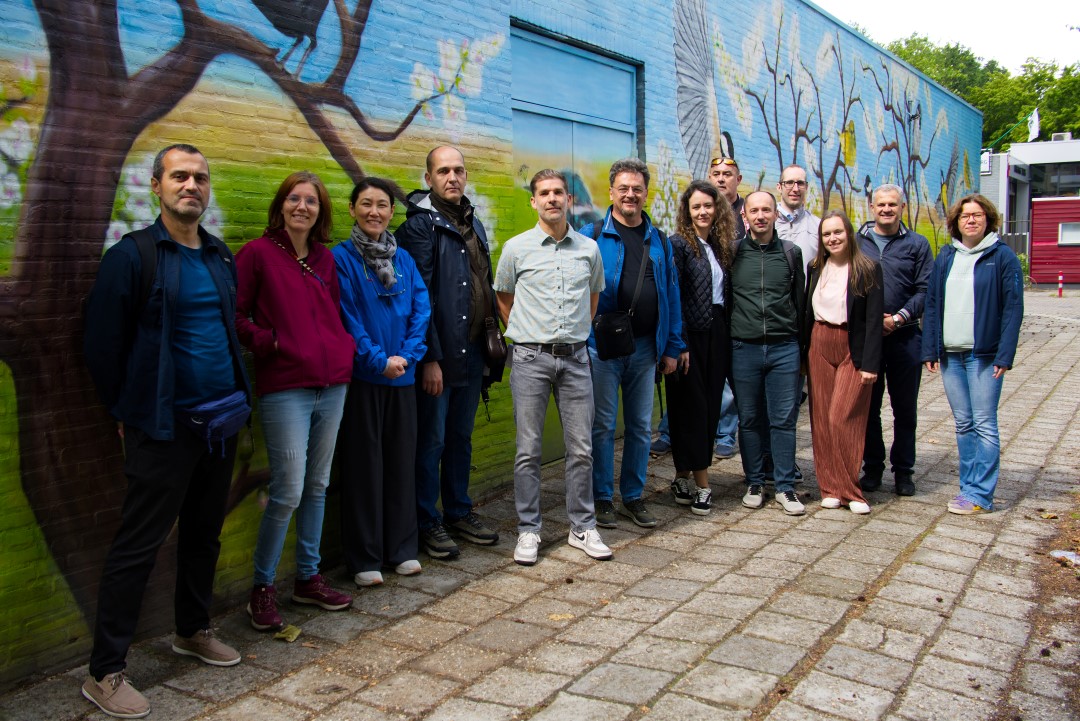
As part of the ENPOWER mobility programme hosted by Tilburg University, consortium partners dedicated 11th and 12th of June 2026 to exploring practical examples of how local actors, researchers and communities are working together to address energy poverty in the Netherlands. Through visits to Tilburg and The Hague, participants gained valuable insights into place-based governance, citizen engagement and community-driven interventions that complement the project’s ongoing work within Case Study 4 (Energy Poverty & Socio-Economic Aspects).
On 11th June, the consortium met with representatives from Het PON & Telos and the Municipality of Tilburg to learn about their collaborative approach to addressing energy poverty at neighbourhood level. The session showcased how data-driven analysis, local policymaking and community engagement can be combined to identify vulnerable households and develop targeted interventions.
A key component of the programme was a visit to Wandelbos West, a neighbourhood where this place-based methodology is being implemented in practice. Participants explored how local authorities and research organisations work together to support residents through energy renovation initiatives while also addressing broader social and economic barriers that may prevent households from benefiting from the energy transition.
The following day, on 12th June, the consortium travelled to The Hague to meet with representatives of the Number 5 Foundation and the Alliance for Energy Just Transition. The focus of the session was on community-based approaches to energy poverty, particularly among vulnerable and hard-to-reach groups. Participants learned how local organisations have developed trusted relationships within communities, enabling them to better understand residents’ needs and co-design solutions that are both practical and socially acceptable.
The programme included a visit to Schilderswijk, one of The Hague’s most diverse neighbourhoods, where ongoing initiatives demonstrate how local actors can support households through personalised guidance, community outreach and tailored interventions. The visit illustrated the crucial role that local organisations play in ensuring that energy transition measures reach those who need them most.
Together, the visits to Tilburg and The Hague offered complementary perspectives on addressing energy poverty. While the Tilburg experience demonstrated the value of integrating research, policy and data analysis into local decision-making, the Hague visit highlighted the importance of community leadership, trust and social inclusion. The knowledge and examples gathered during these visits will contribute to the continued development of ENPOWER’s research activities and the BAS-Living Lab, supporting the consortium’s ambition to create evidence-based, socially inclusive and locally relevant solutions for tackling energy poverty across Europe.