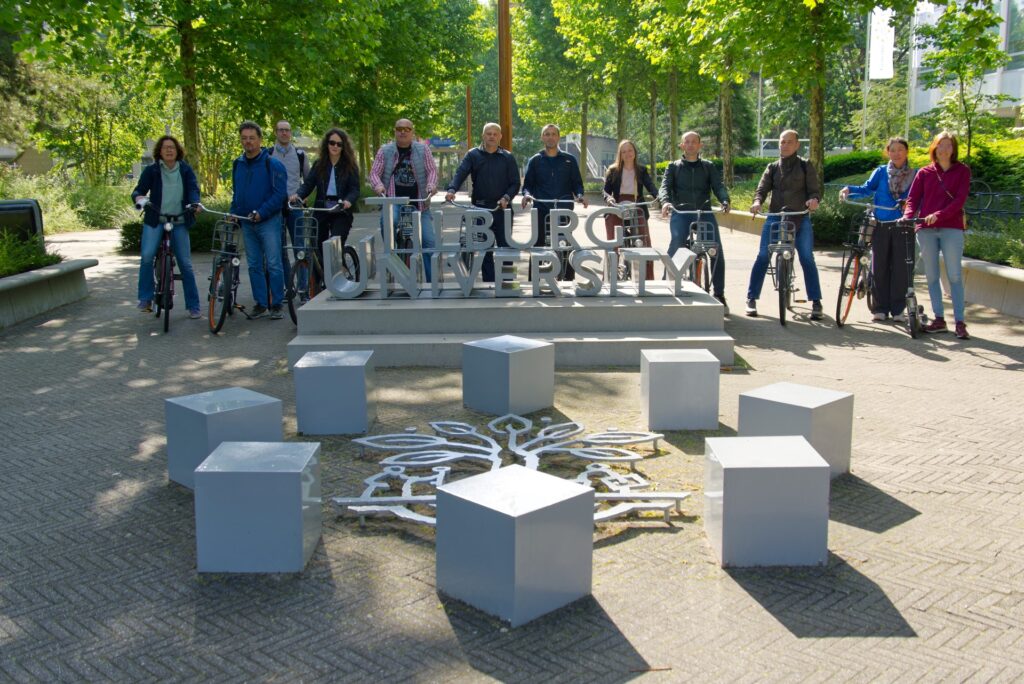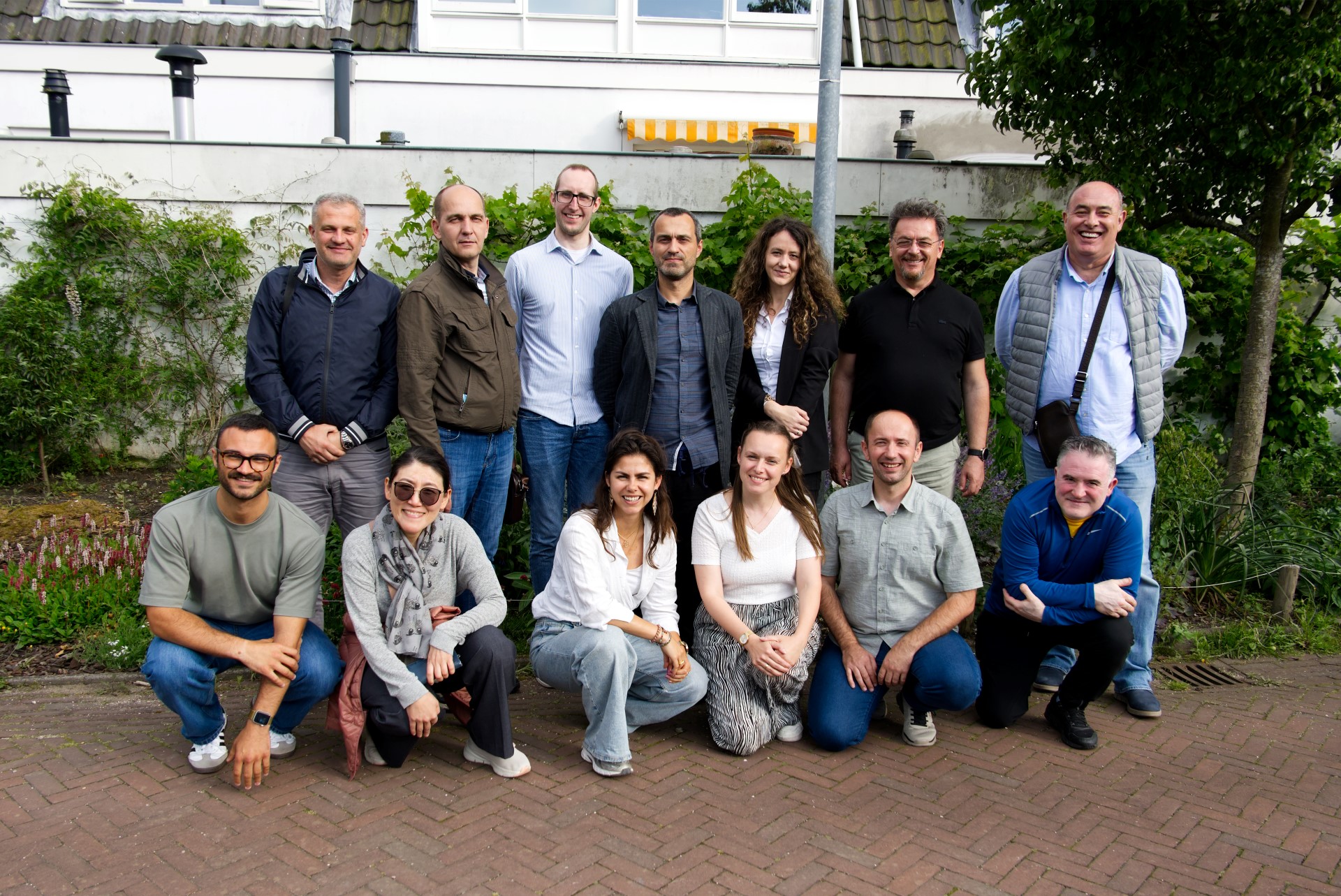
From 8th to 12th June 2026, ENPOWER partners took part in a mobility programme hosted by Tilburg University and extended through visits to Brussels and The Hague. The week combined academic sessions, stakeholder meetings, and field visits, creating a rich environment for exchange around the project’s core themes: citizen science, open science, social justice, Living Labs, and local responses to energy poverty.
The programme opened in Tilburg with a welcome session and introductory meetings with university teams, followed by a session on citizen science approaches to studying energy poverty. This topic set the tone for the week by highlighting the importance of involving communities directly in research, especially when addressing a challenge as lived and context-dependent as energy poverty. Additional sessions explored open science practices, collaboration for impact, and the relationship between broad prosperity and social justice, offering a strong conceptual foundation for the project’s future work.
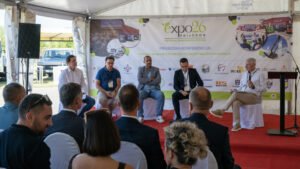
Midweek, the delegation travelled to Brussels for a meeting with the European Network of Living Labs (ENoLL) and participation in the European Sustainable Energy Week. These activities connected ENPOWER with broader European debates on innovation, energy efficiency, and just transition, while also opening opportunities to reflect on the BAS-Living Lab’s future role and possible pathways for integration with wider Living Lab networks.
The final two days focused on local practice. In Tilburg, the delegation visited the Wandelbos West neighbourhood and met with local partners working on an area-based approach to energy poverty, combining data-driven analysis, community engagement, and municipal policy action. In The Hague, the group learned from community-based initiatives in Schilderswijk, where local actors are working to support vulnerable households through trust-building, tailored interventions, and collaboration across sectors.
Overall, the mobility programme reinforced one of ENPOWER’s central messages: tackling energy poverty requires more than technical solutions. It also depends on participation, trust, institutional collaboration, and the ability to translate research into action that works for people and communities on the ground.