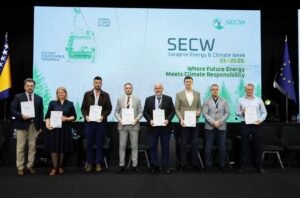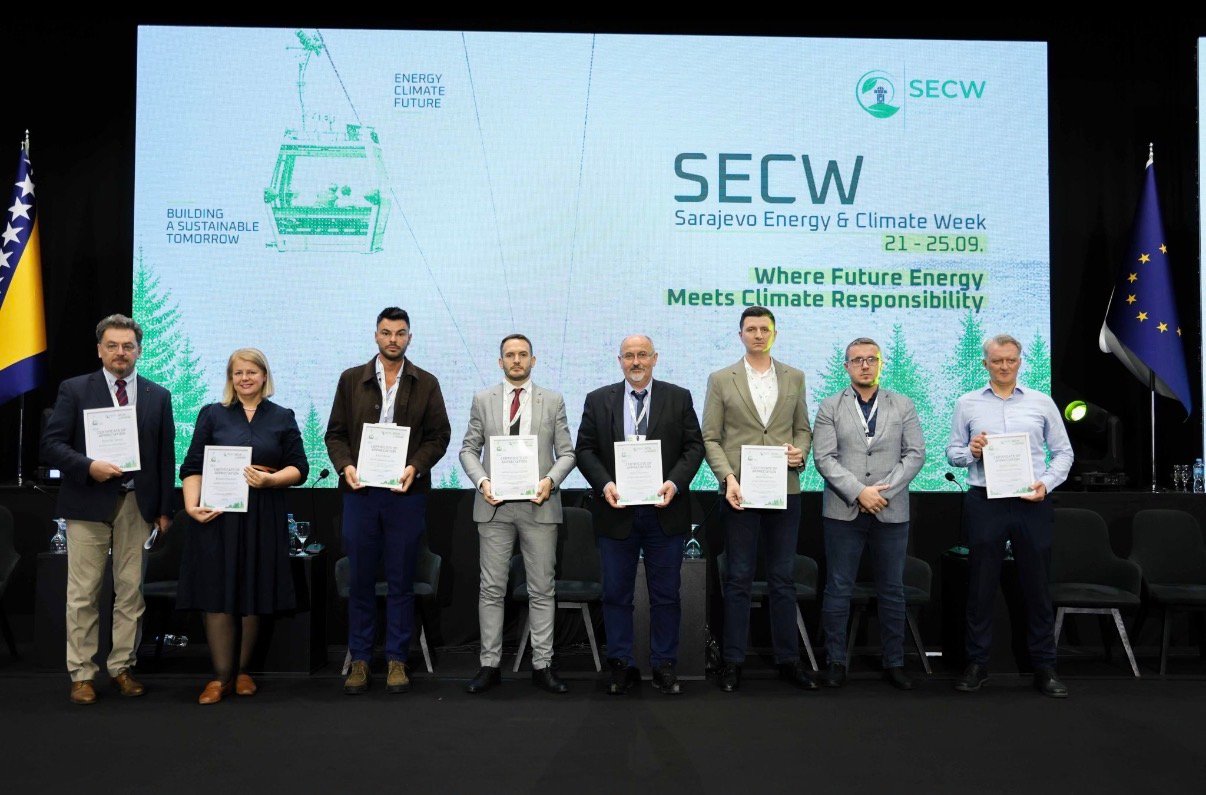
Strategies for mitigating energy poverty were at the centre of Panel 13 at SECW 2026, where discussions focused on approaches that combine social protection with the longer-term energy transition. The panel brought together perspectives on how energy policies can respond to immediate vulnerabilities while also supporting more sustainable and efficient energy systems.
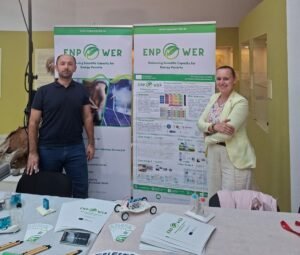
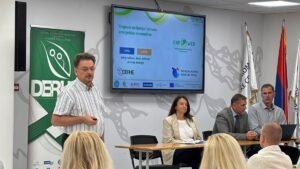
The panel was organised by EU4Energy and moderated by Prof. Petar M. Gvero, Ph.D., Professor at the Faculty of Mechanical Engineering, University of Banja Luka. His participation provided an opportunity to bring ENPOWER’s focus on energy poverty and energy transition into a wider regional discussion, highlighting the importance of connecting energy-related measures with the social realities faced by vulnerable households and communities.
The discussion brought together Branka Knezević, from the Ministry of Foreign Trade and Economic Relations of Bosnia-Herzegovina, Enis Ivković from Caritas Switzerland in B&H, Vedran Pecikoza from the United Nations Development Programme (UNDP), Armin Đuliman from the Operator for Renewable Energy Sources and Efficient Cogeneration of the Federation of B&H, Meho Kulovac from nLogic Advisory, Muhidin Omerovic from the Association of Managers of Residential and Commercial Buildings of the Federation of B&H, Jasmin Gabela from EU4Energy, and Miroslav Kucera, Managing Partner at Aspiro.
The discussion reflects a central principle of ENPOWER’s approach. Addressing energy poverty requires solutions that connect social, technical and policy dimensions rather than treating them separately. By linking social protection with energy efficiency and long-term transition strategies, stakeholders can work towards an energy transition that is not only more sustainable, but also more inclusive and responsive to the needs of vulnerable communities.